
Preparation for Reliable Follow-Up Processes
Aluminium Cleaning as a Basis for Further Processes
Removing Residues, Improving Adhesion
Industrial cleaning with specially formulated cleaning agents specifically prepares the aluminium surface for subsequent processes. Interfering residues are removed, creating the conditions for reliable further processing.
In the WBK process, aluminium components are washed, pickled and preserved. This is suitable for both semi-finished and finished parts and ensures a defined, reproducible surface condition.
Cleaning with a thin silicate layer particularly improves the adhesion of bonded joints and provides temporary storage protection.
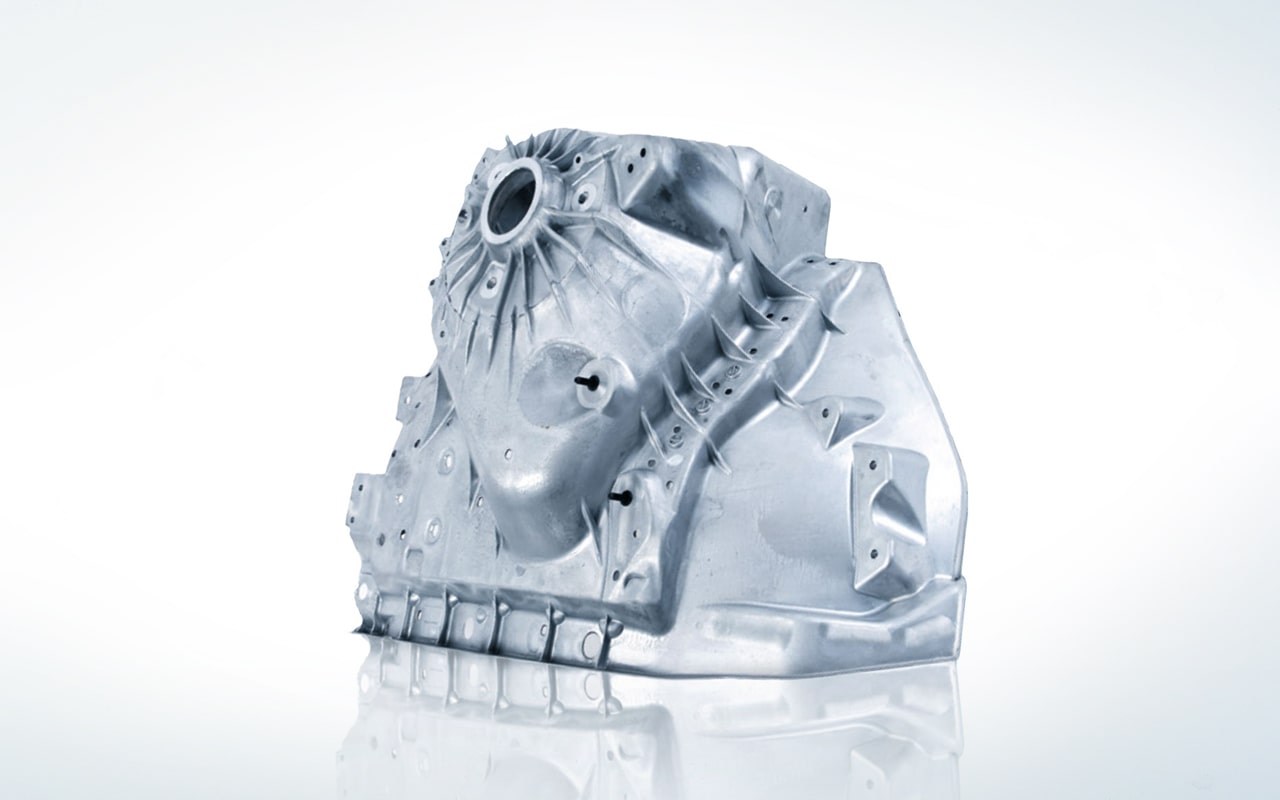
Cleaning System and Coating Data at a Glance
WBK
washing, pickling, preservation
Coordinated process steps for a defined surface condition.
2–7 mg/m²
silicate layer
Product-specific value for Gardoclean 299.
up to 3 months
storage protection
Until further processing, under suitable storage conditions.
Gardoclean 299
cleaning system
Improves adhesion for subsequent bonding processes.
Advantages of Aluminium Cleaning
- Defined, clean and reproducible aluminium surfaces
- Improved adhesion for subsequent bonding processes
- Preparation for painting and coating processes
- Storage protection until further processing
- Suitable for semi-finished and finished parts
- Can be aligned with customer-specific standards
More information about Cleaning
Process steps:
- Washing and degreasing
- Pickling the aluminium surface
- Preserving for further processing
Suitable components:
- Semi-finished aluminium parts
- Finished aluminium parts
- Components for bonding and coating processes
Cleaning system:
- Gardoclean 299
- Cleaning with silicate layer
- Coating weight: 2–7 mg/m²
Surface function:
- Storage protection for up to three months
- Improved adhesion for bonded joints
- Defined preparation for subsequent processes
Cleaning with Silicate Layer (Gardoclean 299)
- Coating weight: 2–7 mg/m²
- Storage protection up to three months
- Improved adhesion for bonded joints
- Suitable for the defined preparation of aluminium components
Why are aluminium components cleaned industrially?
Coordinated industrial cleaning removes interfering residues and prepares the aluminium surface in a defined way for subsequent bonding and coating processes.
What does WBK mean in aluminium cleaning?
WBK stands for washing, pickling and preservation. The coordinated steps clean the surface, remove the non-uniform oxide film, and secure the prepared condition for further processing.
What advantages does cleaning aluminium offer?
Cleaning creates a reproducible surface, improves the adhesion of subsequent materials, and can increase corrosion or storage protection until further processing.
Which aluminium components can be cleaned?
The process is suitable for semi-finished and finished aluminium parts that are to be prepared for subsequent bonding, painting, or further coating processes.
What is Gardoclean 299?
Gardoclean 299 is the system used at Holder for cleaning aluminium with a thin silicate layer. It supports the adhesion of bonded joints and provides temporary storage protection.
What is the silicate layer weight for Gardoclean 299?
The product-specific coating weight is 2 to 7 mg/m².
How long does the cleaned surface protect during storage?
For cleaning with a silicate layer, storage protection of up to three months is specified. The exact duration depends on the component, storage conditions, and the further process chain.
Is aluminium cleaning suitable as preparation for bonding?
Yes. Cleaning with Gardoclean 299 improves adhesion, creating a suitable foundation for subsequent bonding processes.
To which standards does Holder clean aluminium?
Selected specifications include Porsche PTL 7556, VW/Audi TL 82427, VW TL 82433 C, Mercedes-Benz DBL 4952.10, and BMW PV 97022. Further customer-specific requirements can be coordinated on a project basis.
What is the difference between cleaning and passivation of aluminium?
Cleaning focuses on the defined cleanliness and preparation of the aluminium surface. Passivation additionally builds up a specifically resistant conversion coating for corrosion protection and adhesion. Which process is suitable depends on the subsequent processing and the respective specification.