
Predestined for Functional Surface Technology
Uniform Protection for Precise and Durable Components
Electroless Nickel-Phosphorus Coating
The electroless deposition of nickel-phosphorus alloys offers properties that are often unattainable with other coating processes.
The process is particularly recommended for components that require an absolutely uniform layer thickness combined with high fitting accuracy.
High corrosion protection and pronounced wear resistance are further essential characteristics of this functional coating.

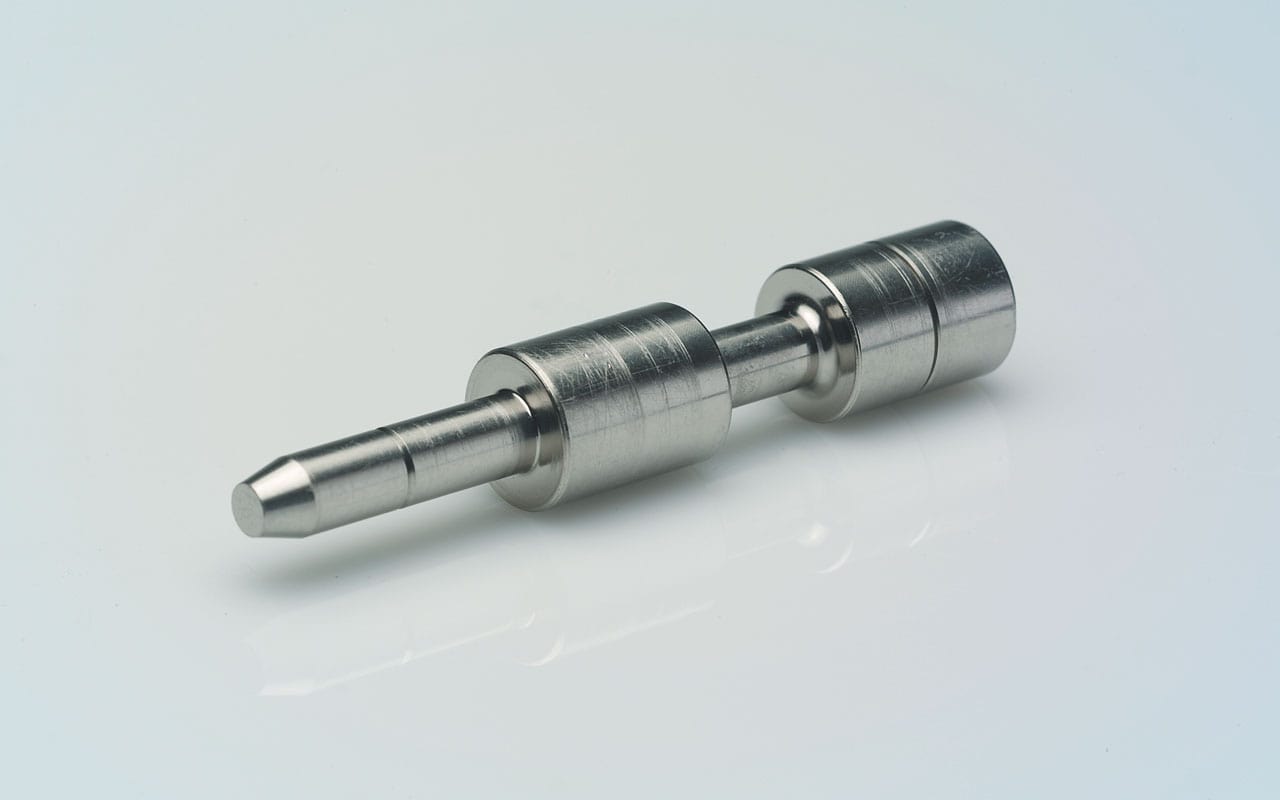
Hardness, Phosphorus Content, and Coating Quality
450–650 HV
in the as-deposited state
Hardness rating according to HV (0.05).
approx. 1000 HV
after heat treatment
Increase in hardness through heat treatment.
1–14%
phosphorus content
Low, medium and high phosphorus Novatec systems.
Coplanar
uniform layer thickness
Even in drill holes and on internal surfaces of complex hollow components.
Advantages of Electroless Nickel
- Coplanar deposition
- High wear resistance
- High hardness
- High corrosion resistance
- Uniform layer thickness
- Good chemical resistance
- Diffusion-tight
- High temperature resistance
- Excellent sliding properties
- Solderable and weldable
- Magnetic or non-magnetic depending on phosphorus content
- Tarnish-resistant
- Internal coating possible
- Appealing appearance
More information about Electroless Nickel
Suitable materials:
- Steel and iron materials
- Aluminium and aluminium alloys
- Non-ferrous metals such as copper, brass and bronze
Application techniques:
- Rack process
- Drum process
Phosphorus content:
- Low, medium and high phosphorus content for different technical requirements
Corrosion resistance:
- Significantly superior to galvanic nickel layers
Hardness:
- 450–650 HV (0.05) in the as-deposited state
- Approx. 1000 HV (0.05) after heat treatment
Products:
- Novatec 710 EL: phosphorus content 1–4%
- Novatec 720 EL: phosphorus content 6–9%
- Novatec 730 EL: phosphorus content 10–14%
Uniform layer thickness distribution:
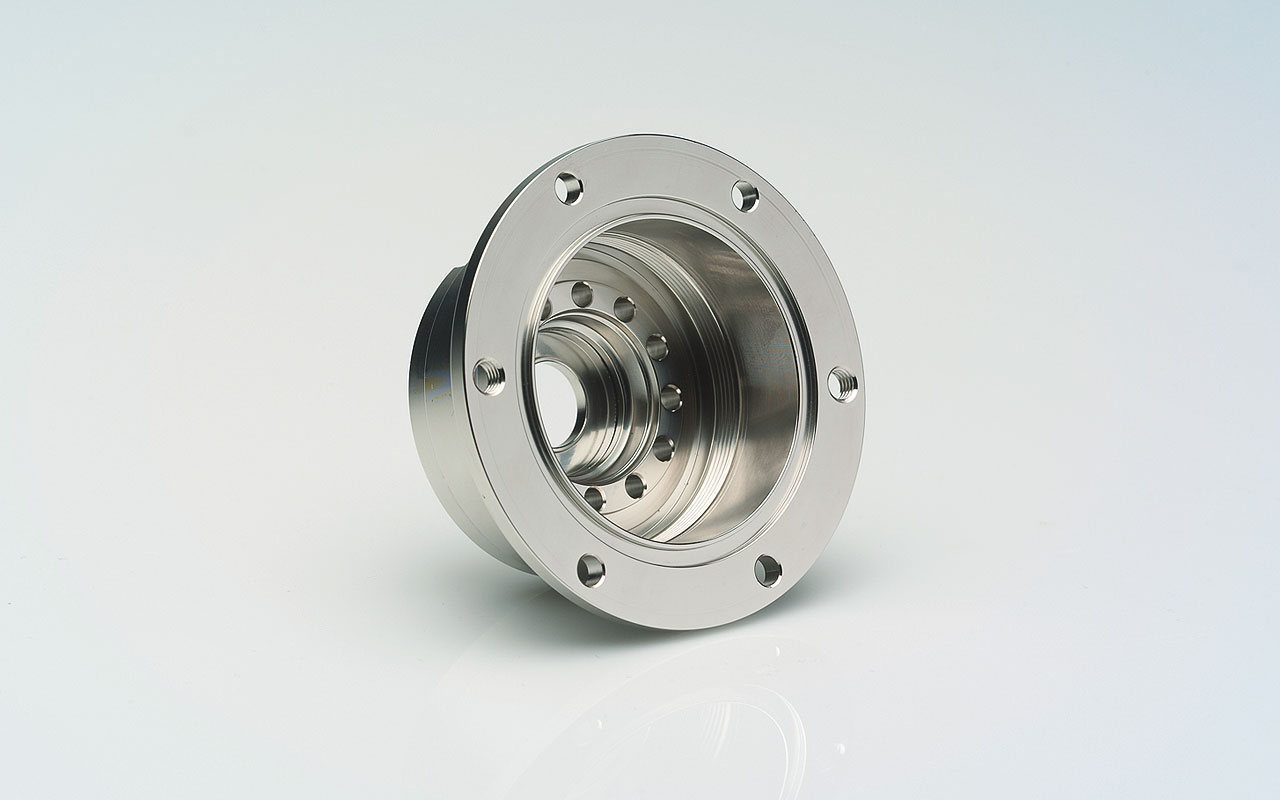
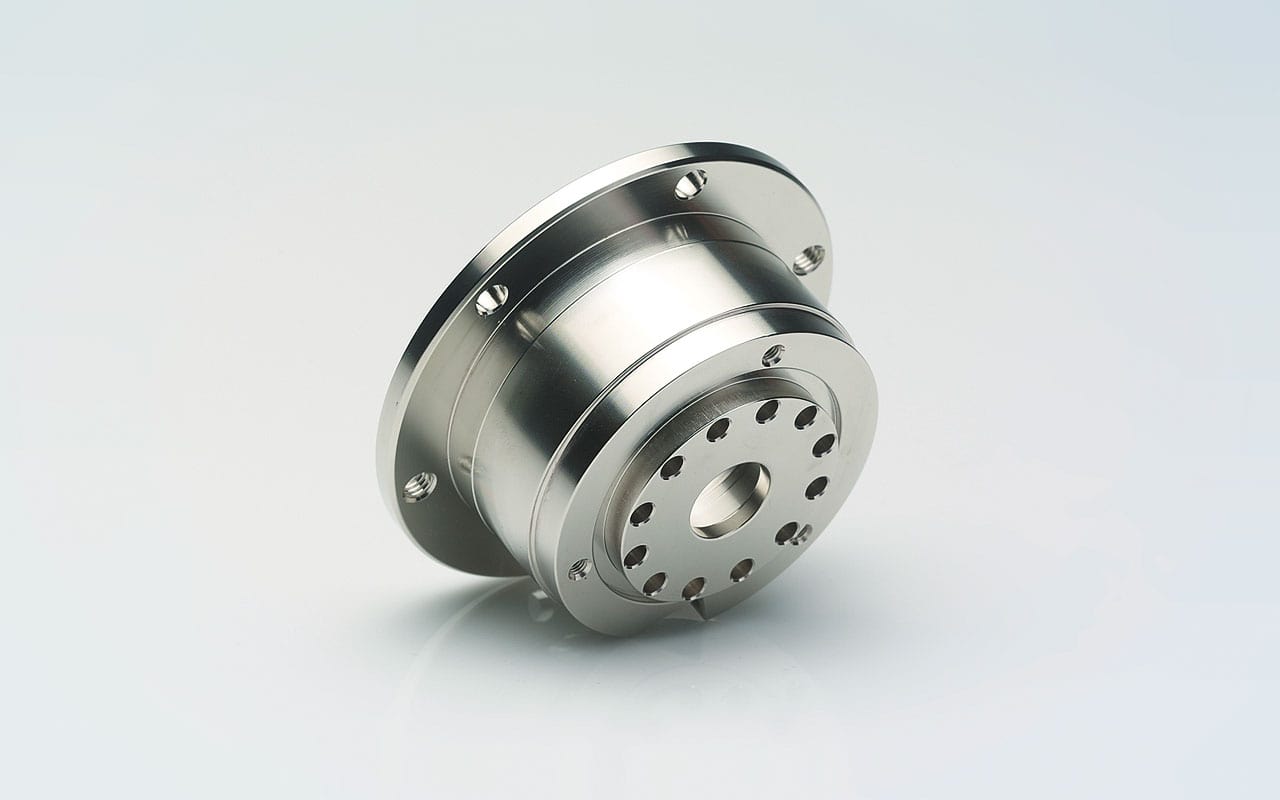
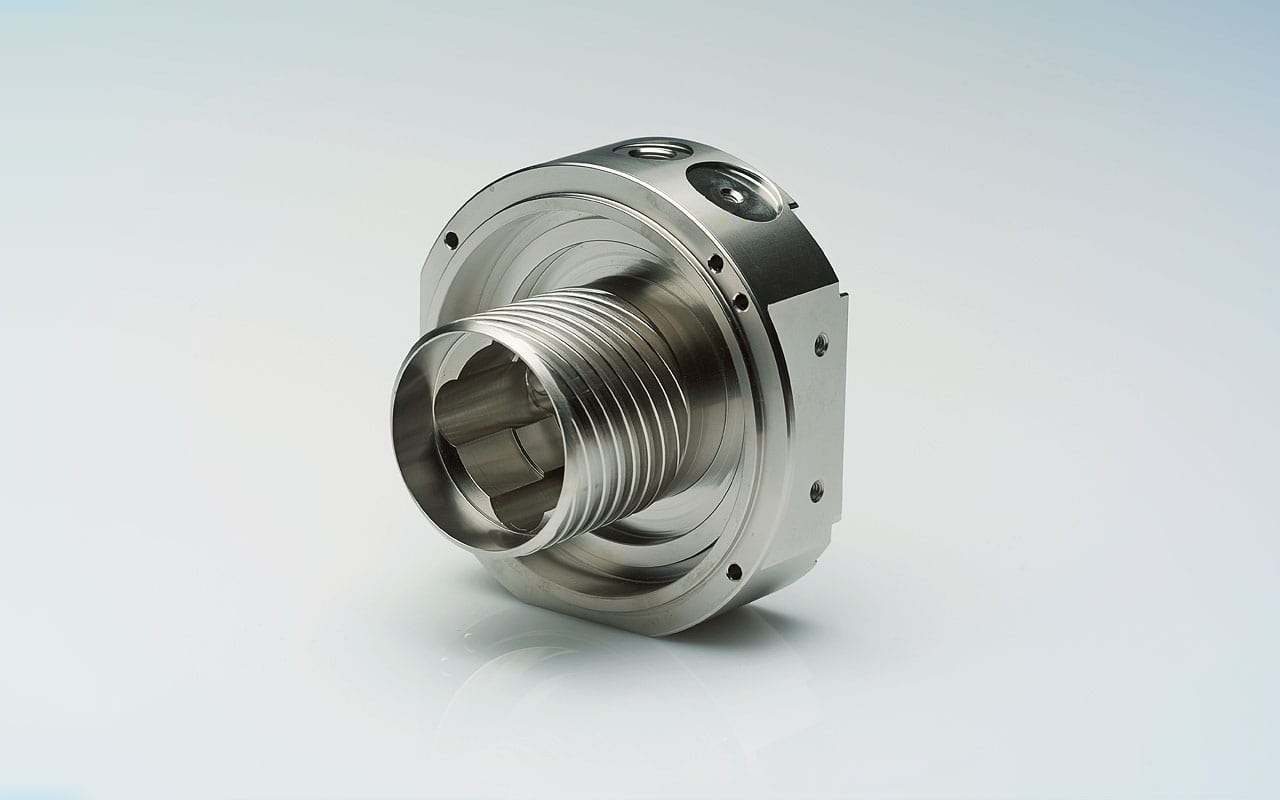
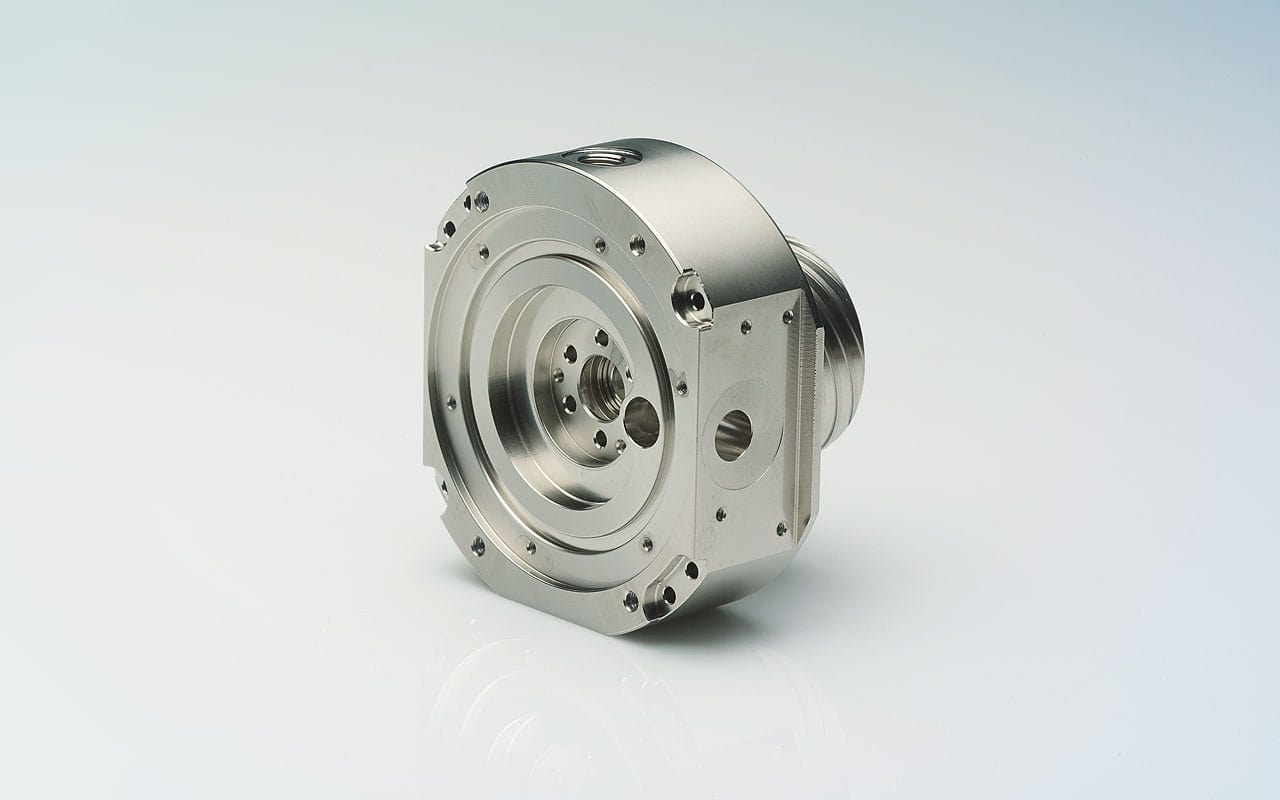
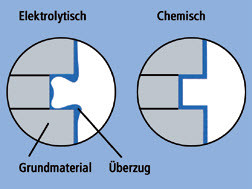
Electroless deposition allows for high dimensional accuracy, even on geometrically complex parts, in drill holes and on the inside of hollow components.
Wide Range of Applications
Electroless nickel is used to coat base materials such as steel, non-ferrous metals and copper alloys for numerous industries: mechanical and automotive engineering, chemical industry, food industry, electronics, mining, textile and printing industry, medical technology, and aerospace.
Holder’s range of processes includes low, medium and high phosphorus baths. Depending on the requirements, corrosion and wear protection, magnetic or non-magnetic properties, defined deposition rates and hardness can be specifically adjusted.
The combination of chemical, physical and tribological properties enables an application-specific design of the surface.
What is electroless nickel and how does the process work?
Electroless nickel is an electroless deposition of nickel-phosphorus alloys. The layer forms uniformly on the component without external electrical current and is therefore particularly suitable for dimensionally accurate and geometrically complex parts.
What advantages does electroless nickel offer over galvanic nickel?
Electroless nickel enables a coplanar, uniform layer thickness and offers high corrosion, wear and chemical resistance. Its corrosion resistance is significantly superior to galvanic nickel layers.
Which materials can be electroless nickel-plated?
Suitable materials include steel and iron materials, aluminium and aluminium alloys, as well as non-ferrous metals such as copper, brass and bronze.
Why is electroless nickel suitable for complex component geometries?
Since the deposition is electroless, a uniform layer thickness distribution is achieved. This allows drill holes, internal surfaces of hollow components, and geometrically complex parts to be coated with high dimensional accuracy.
What hardness does an electroless nickel layer achieve?
In the as-deposited state, hardness values of 450 to 650 HV (0.05) are achieved. Through subsequent heat treatment, values of approximately 1000 HV (0.05) can be reached.
What is the significance of the phosphorus content?
Holder offers low, medium and high phosphorus systems. The phosphorus content allows properties such as corrosion and wear protection, as well as magnetic or non-magnetic behavior, to be adapted to the specific requirements.
Which Novatec products are available for electroless nickel?
Novatec 710 EL covers a phosphorus content of 1 to 4 percent, Novatec 720 EL 6 to 9 percent, and Novatec 730 EL 10 to 14 percent.
Can electroless nickel be applied using rack or drum processes?
Yes. Depending on component geometry, size and quantity, electroless nickel can be applied using either the rack process or the drum process.
Which industries and applications is electroless nickel suitable for?
Typical application areas include mechanical and automotive engineering, the chemical industry, food industry, electronics, mining, textile and printing industry, medical technology, and aerospace.
Which standard applies to electroless nickel coatings?
DIN EN ISO 4527 is particularly relevant for autocatalytically deposited nickel-phosphorus coatings. Further customer-specific requirements can be coordinated on a project basis.